Commercial Electrical Maintenance & Troubleshooting
Preventing Costly Downtime: Why Commercial Electrical Maintenance Matters for Your Business
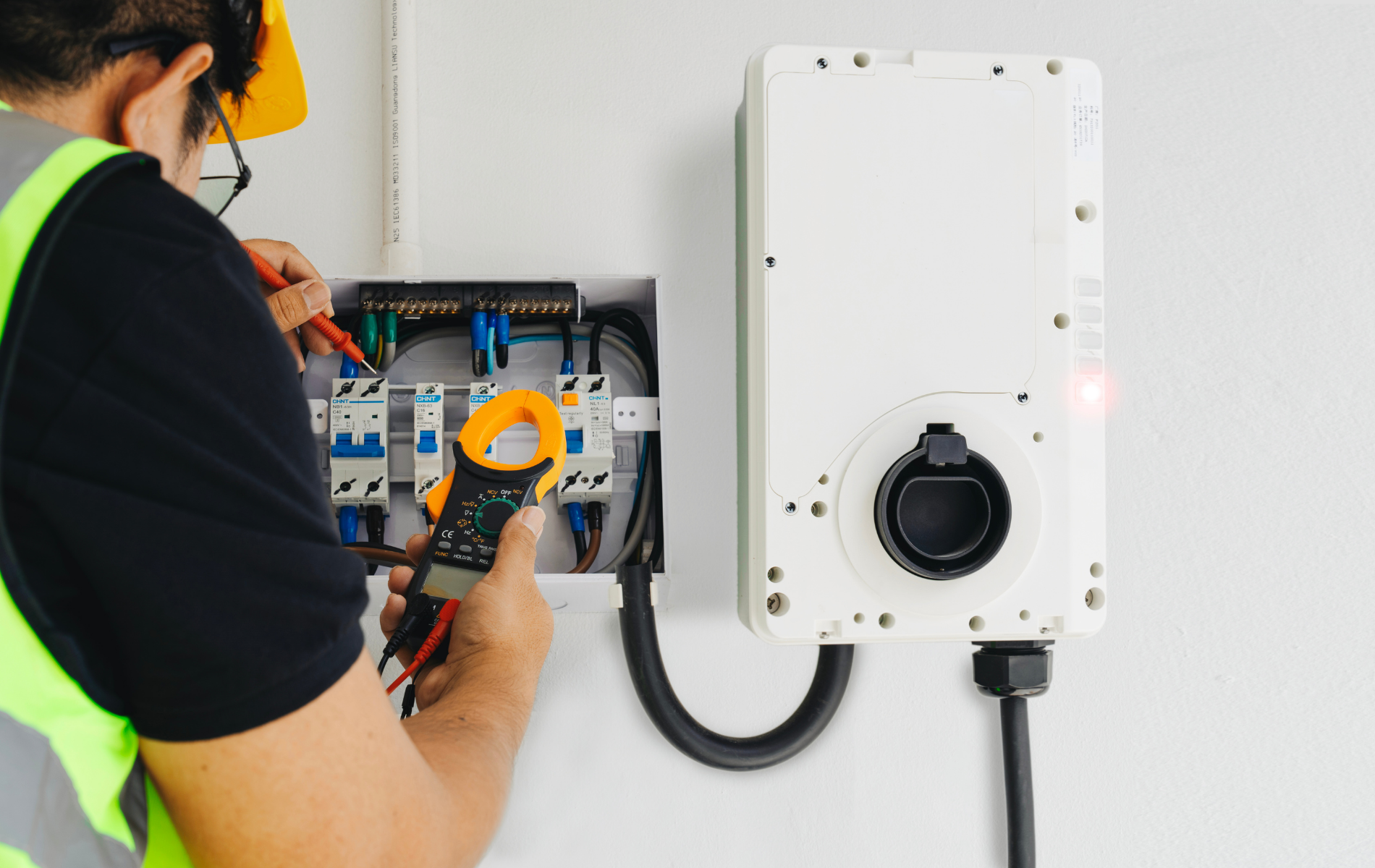
For any business—whether a busy retail storefront in Fort Mill, an industrial warehouse along the I-77 corridor, or an office complex in South Charlotte—electricity is the backbone of daily operations. Lighting, point-of-sale systems, industrial motors, manufacturing lines, and computer servers all depend on consistent, clean power.
Yet, electrical maintenance is often neglected until an emergency occurs. When a commercial electrical system fails, operations stop instantly. Equipment damages escalate, revenue drops, and safety hazards emerge.
Partnering with an experienced commercial electrical contractor in York County, SC and Charlotte, NC protects your facility from expensive emergency repairs and extended downtime. Here is an in-depth look at the true cost of electrical failure and how preventative maintenance safeguards your bottom line.
The Hidden Costs of Electrical Failures in Commercial Facilities
Commercial electrical systems operate under far heavier demands than residential systems. Three-phase power distribution, continuous motor loads, and automated control systems generate sustained heat and vibration. Over time, these conditions loosen connections and wear down internal components.
When electrical infrastructure fails, the costs go beyond an electrician's repair invoice:
- Idle Labor Costs: When power shuts down, production halts while hourly payroll continues to accrue.
- Premature Equipment Damage: Voltage spikes, transient surges, and harmonic distortions damage sensitive variable-frequency drives (VFDs), server equipment, and computer boards.
- Spoilage and Inventory Loss: For restaurants, cold-storage distribution centers, and grocery stores, a few hours without power can destroy tens of thousands of dollars in perishable stock.
- Life Safety and Compliance Violations: Faulty emergency exit lighting, inoperable egress systems, or degraded grounding can lead to OSHA violations and fail local fire marshal inspections.
4 Essential Pillars of Commercial Electrical Maintenance
Proactive maintenance identifies microscopic points of failure before they cascade into catastrophic outages. A comprehensive commercial electrical maintenance plan focuses on four primary areas:
1. Panel and Switchgear Inspection
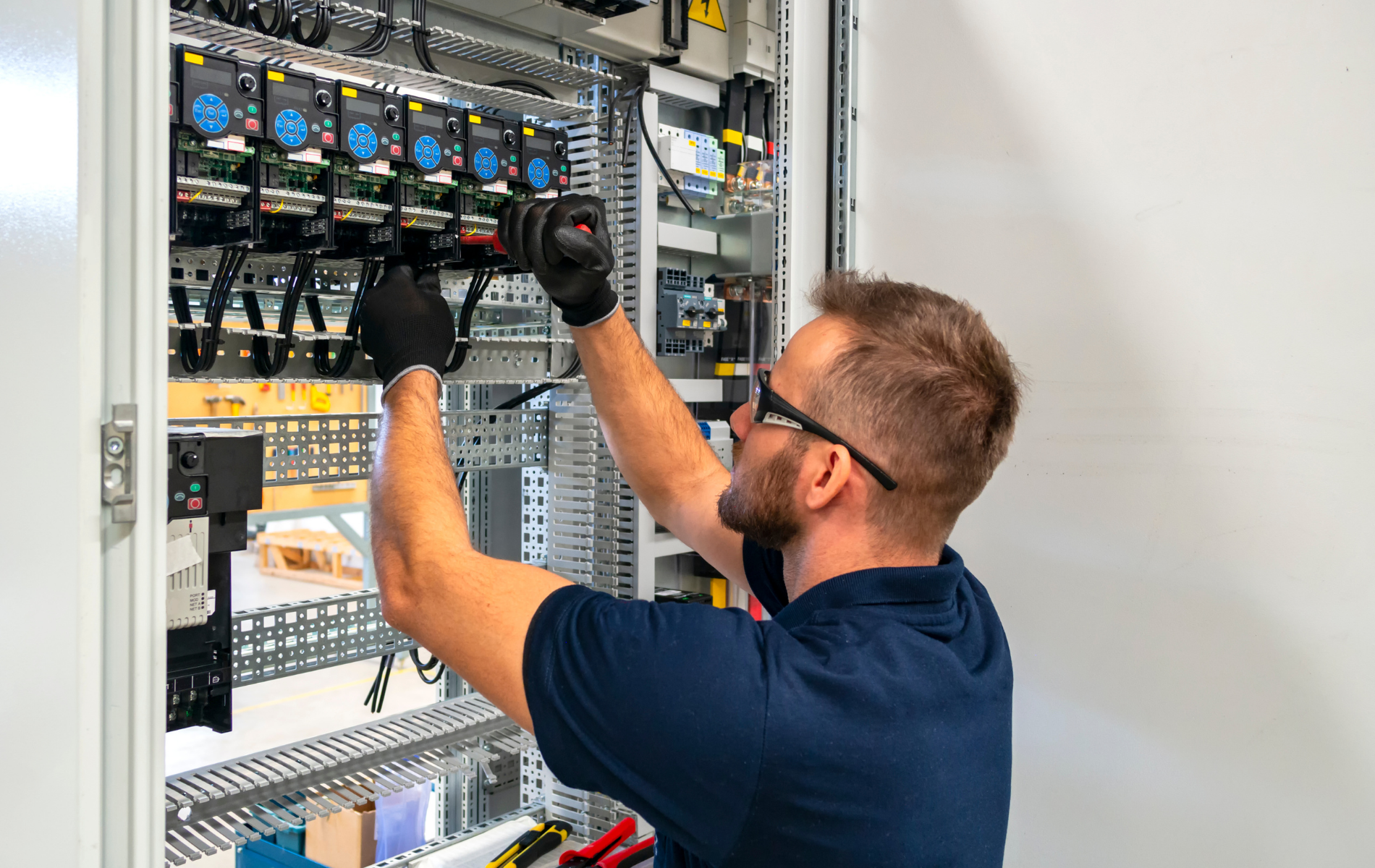
Distribution panels, switchgear, and motor control centers (MCCs) are the distribution hubs of your facility. Over time, thermal cycling causes lugs, busbars, and terminal blocks to loosen. During scheduled maintenance, electricians inspect connections, clean away accumulated dust and debris, and test breaker trip mechanisms.
2. Infrared Thermal Scanning
Loose electrical connections, overloaded circuits, and failing internal breakers generate abnormal heat before they fail completely. Routine thermal imaging identifies hot spots invisible to the naked eye, allowing your electrical contractor to replace a degrading breaker during a scheduled maintenance window rather than during peak production.
3. Control Wiring and Automated Equipment Diagnostics
Modern commercial and industrial facilities rely heavily on automation, PLCs, safety interlocks, and sensor control wiring. A broken relay or damaged control signal cable can halt an entire production line. Regular testing of control circuits and relays prevents unpredictable equipment behavior.
4. Emergency Backup Generators & Exit Lighting Checks
Backup generators and automatic transfer switches (ATS) must respond within seconds of a grid failure. Preventative maintenance includes inspecting transfer switches, battery systems, and fuel lines, alongside battery run-time tests on emergency egress illumination.
Common Commercial Electrical Warning Signs You Should Never Ignore
Your commercial facility often displays subtle warning signs before an electrical failure occurs. Train your maintenance staff and employees to watch for these red flags:
- Warm-to-the-Touch Panels or Breaker Covers: Electrical enclosures should never radiate noticeable heat. Warm panels indicate severe resistance or an unbalanced phase load.
- Humming, Buzzing, or Chattering Sounds: While a slight 60 Hz hum is common in large step-down transformers, buzzing or chattering in switchgear or panelboards usually indicates arcing or loose mechanical components.
- Intermittent Equipment Resets: If computers or computerized machinery reboot randomly during the day, your facility may be experiencing voltage sags caused by the startup of heavy machinery elsewhere on the branch circuit.
- Trit-Tripped Circuit Breakers: If a breaker trips repeatedly, resetting it without diagnosing the root cause can weld internal contacts or cause an electrical fire. Breakers trip for a reason: either a short circuit, ground fault, or sustained overload exists.
Why Experience Matters in Commercial and Industrial Electrical Work
Commercial electrical installations demand specialized expertise. Working with 480V three-phase systems, conduit bending, step-down transformers, and intricate control schematics requires deep technical knowledge and a strict commitment to NFPA 70E arc flash safety standards.
At 3D Electric LLC, our team brings over 25 years of electrical experience to commercial and industrial projects across North and South Carolina. Whether your business requires machinery hookups, control wiring troubleshooting, complete panel upgrades, or scheduled system evaluations, we provide dependable, code-compliant solutions tailored to your operational schedule.
Protect Your Facility with 3D Electric LLC
Avoid waiting for an unexpected outage to review your electrical infrastructure. Routine inspections and expert commercial troubleshooting keep your facility running efficiently, safely, and without interruption.
Need dependable commercial electrical services in York County, SC or Charlotte, NC?
Call 3D Electric LLC today at (704) 576-9457 to discuss your commercial service needs or schedule an on-site consultation.