EV Charger & Electrical Panel Upgrades
EV Charger Installation: Does Your Home Need an Electrical Panel Upgrade First?
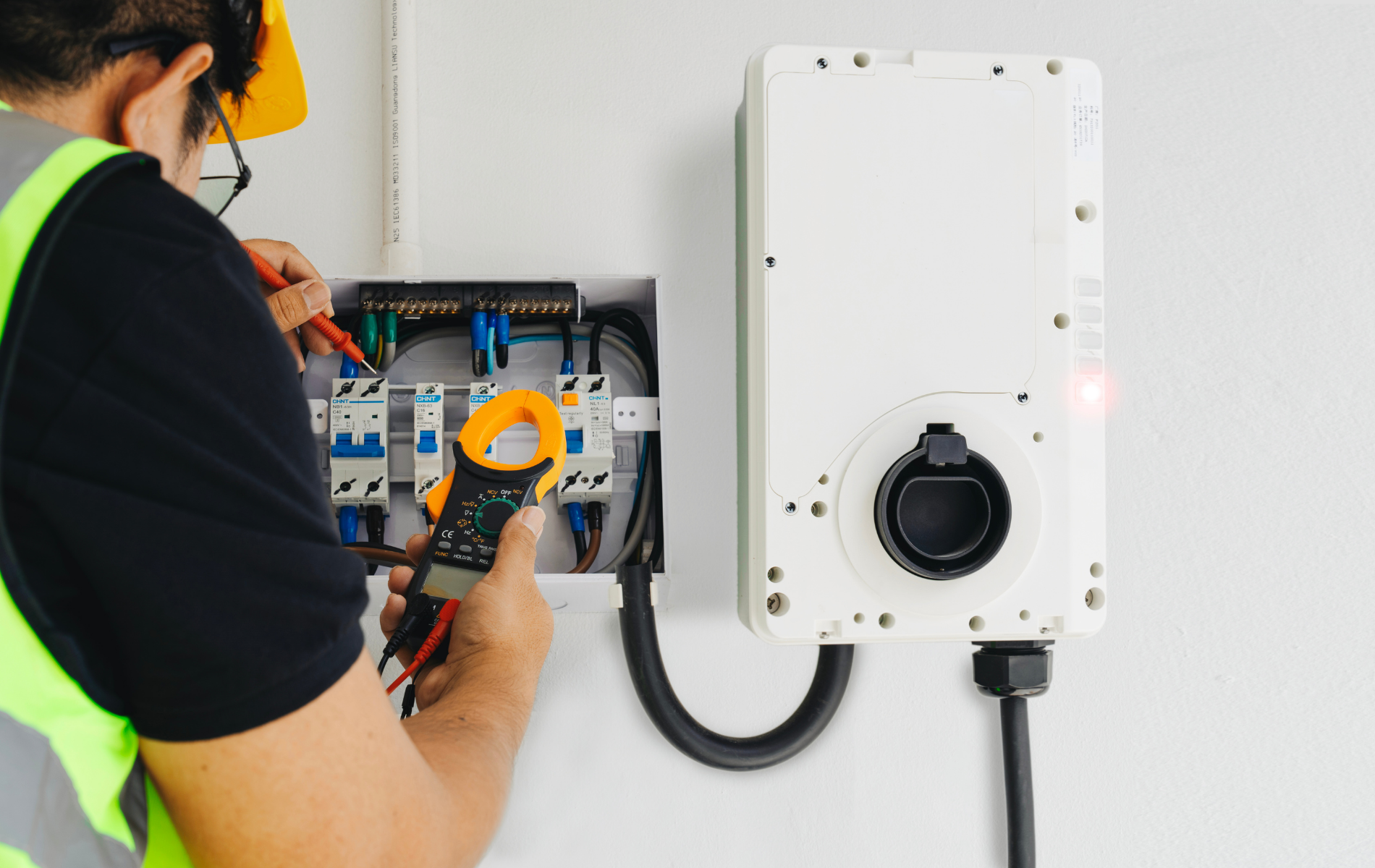
Adding an electric vehicle (EV) to your driveway is an exciting milestone that lowers fuel costs and simplifies your daily commute. However, once the novelty of standard Level 1 trickle charging wears off—taking anywhere from 24 to 40 hours to achieve a full battery—most homeowners quickly realize that a dedicated Level 2 home charging station is a necessity.
If you are planning an EV charger installation in York County, SC, or the greater Charlotte, NC area, one crucial question must come first: Can your home’s existing electrical panel support the increased demand?
A Level 2 EV charger pulls significant, sustained electrical current for hours at a time. Before mounting an EV wall connector in your garage or carport, it is essential to understand your home’s electrical capacity and why an electrical panel upgrade might be your most important safety investment.
Understanding the Electrical Demand of a Level 2 EV Charger
Most factory-provided charging cords plug into a standard 120-volt household receptacle (Level 1). They deliver around 3 to 5 miles of range per hour of charging.
A 240-volt Level 2 charger, by contrast, operates on a dedicated circuit ranging between 30 and 60 amps. It charges your vehicle up to 7 to 10 times faster, providing a complete charge overnight.
Because National Electrical Code (NEC) guidelines classify EV charging as a continuous load (drawing current continuously for three hours or longer), the dedicated branch circuit breaker must be rated for at least 125% of the charger’s rated output:
- A 32-amp charger requires a 40-amp dedicated circuit.
- A 40-amp charger requires a 50-amp dedicated circuit.
- A 48-amp hardwired charger requires a 60-amp dedicated circuit.
If your home’s main service panel is already operating near capacity, adding an appliance that draws that much continuous power can overload your system, trigger frequent breaker trips, or introduce severe fire risks.
Warning Signs That Your Home Needs an Electrical Panel Upgrade
Many established homes across Fort Mill, Rock Hill, and the Charlotte perimeter were built with 100-amp or 150-amp electrical panels. Decades ago, that was ample power. Today, with central air conditioning, heat pumps, electric water heaters, modern appliances, and home electronics running simultaneously, older panels are pushed to their limit.
Here are the most common signs you need an electrical panel upgrade before adding an EV charger:
1. Your Main Breaker is Rated at 100 Amps
Modern homes with all-electric appliances or high-draw equipment typically require a 200-amp service panel. Attempting to run a 40-amp or 50-amp EV circuit on a 100-amp service while your HVAC and oven run can easily cause main breaker trips.
2. The Breaker Box is Completely Full
If every slot in your breaker box is occupied, you cannot safely land another double-pole 240-volt breaker without installing a subpanel or upgrading your main panel. Using tandem ("cheater") breakers is often restricted by manufacturer specifications and local building codes.
3. Frequent Circuit Breaker Tripping
Do your breakers trip when multiple appliances run at once? Frequent nuisance trips indicate circuit overloading. Adding an EV charger without addressing the underlying load issues will worsen the problem.
4. Flickering or Dimming Lights
If your interior lights dim whenever the air conditioner kicks on, your panel is already struggling to regulate voltage drops during major power draws.
The Professional EV Charger Installation Process
Installing a high-voltage, continuous-load charger is not a DIY task. Professional installation guarantees code compliance, permits, and peace of mind. When you partner with a licensed electrical contractor like 3D Electric LLC, the process follows strict safety protocols:
- Comprehensive Load Calculation: An electrician calculates the total existing electrical load of your home using NEC calculation methods to verify if your current service can safely accept the charger.
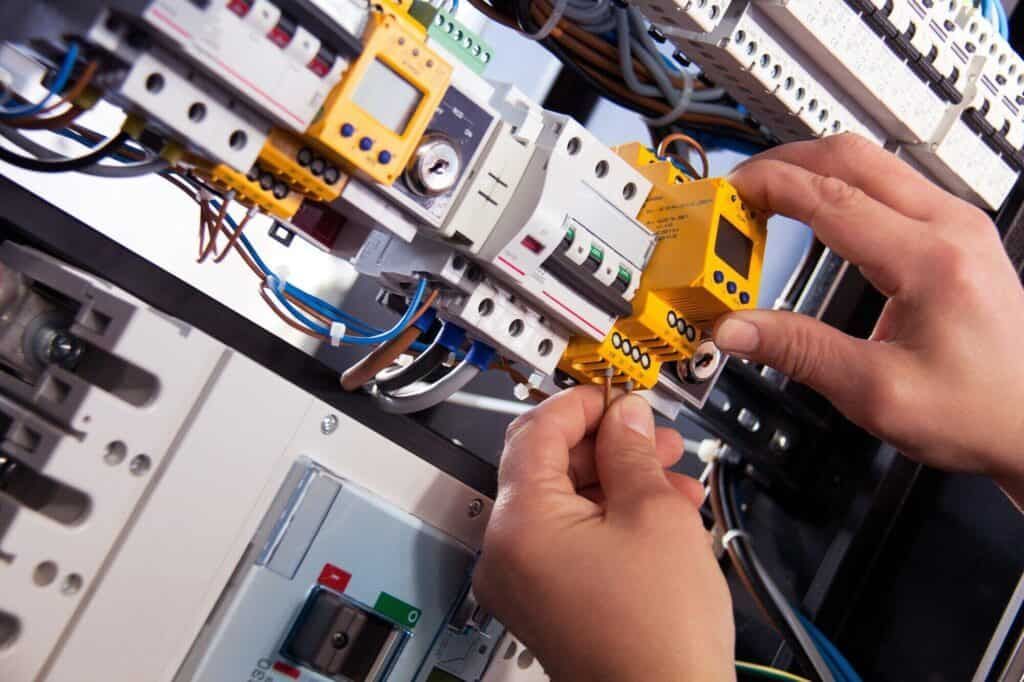
- Panel Assessment or Upgrade: If your service lacks headroom, the technician upgrades your main service panel to 200 amps, replacing outdated busbars, upgrading the grounding electrode system, and coordinating with the local utility provider (such as Duke Energy or York Electric Cooperative).
- Dedicated Circuit Run: The technician runs heavy-gauge copper wiring from the panel to your chosen charging location, using durable conduit rated for the environment.
- Hardwired vs. NEMA 14-50 Receptacle Installation: Depending on your charger's specifications, your electrician either hardwires the unit directly (often recommended for outdoor installations or 48-amp models) or installs a commercial-grade 240V NEMA 14-50 receptacle protected by a GFCI breaker.
- Testing, Verification, and Permitting: The system undergoes safety testing, voltage checks, and municipal inspections to verify proper grounding and safe operation.
Schedule Your Home EV Charger Assessment Today
A home charging station should provide convenience, not safety concerns. With over 25 years of electrical experience, 3D Electric LLC delivers clean, code-compliant EV charger installations and service panel upgrades across Charlotte, NC, Fort Mill, SC, and all of York County.
Ready to charge faster at home? Contact 3D Electric LLC today at (704) 576-9457 or request a service quote online.